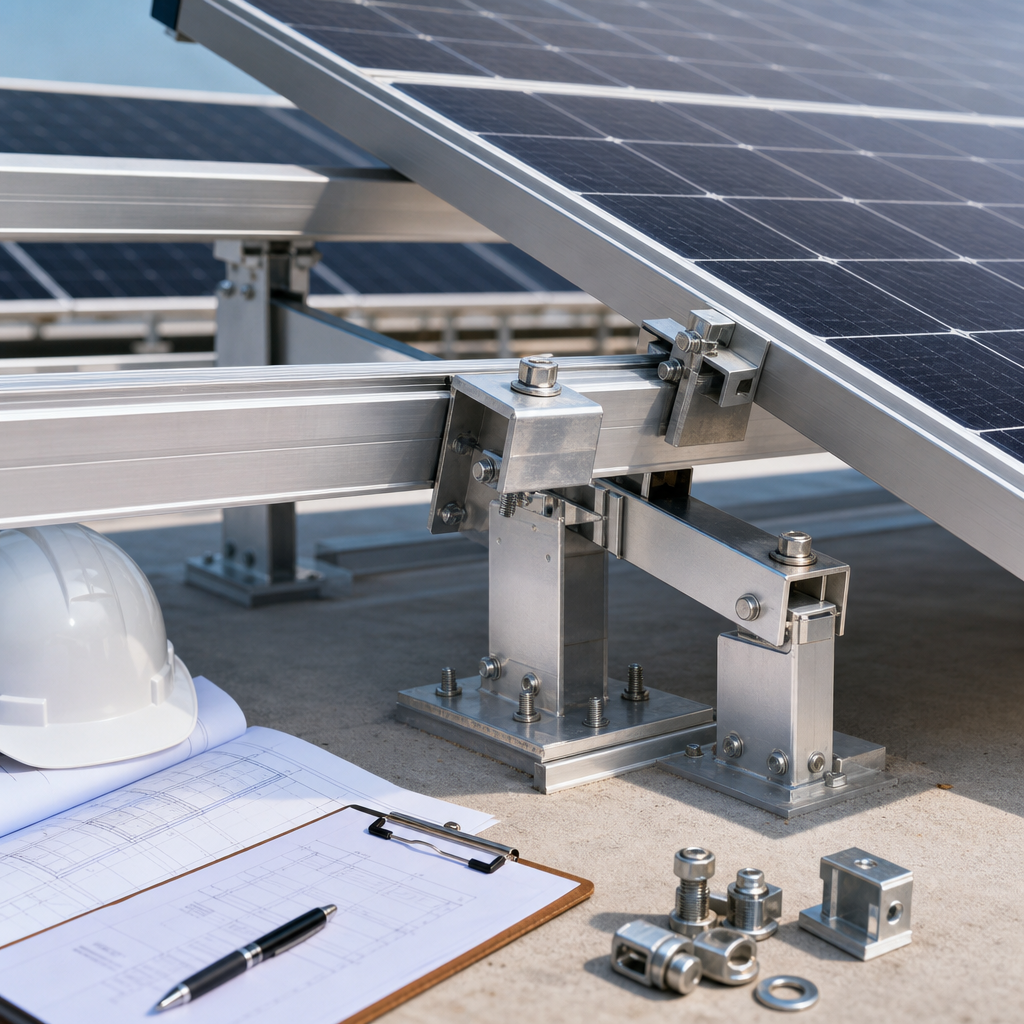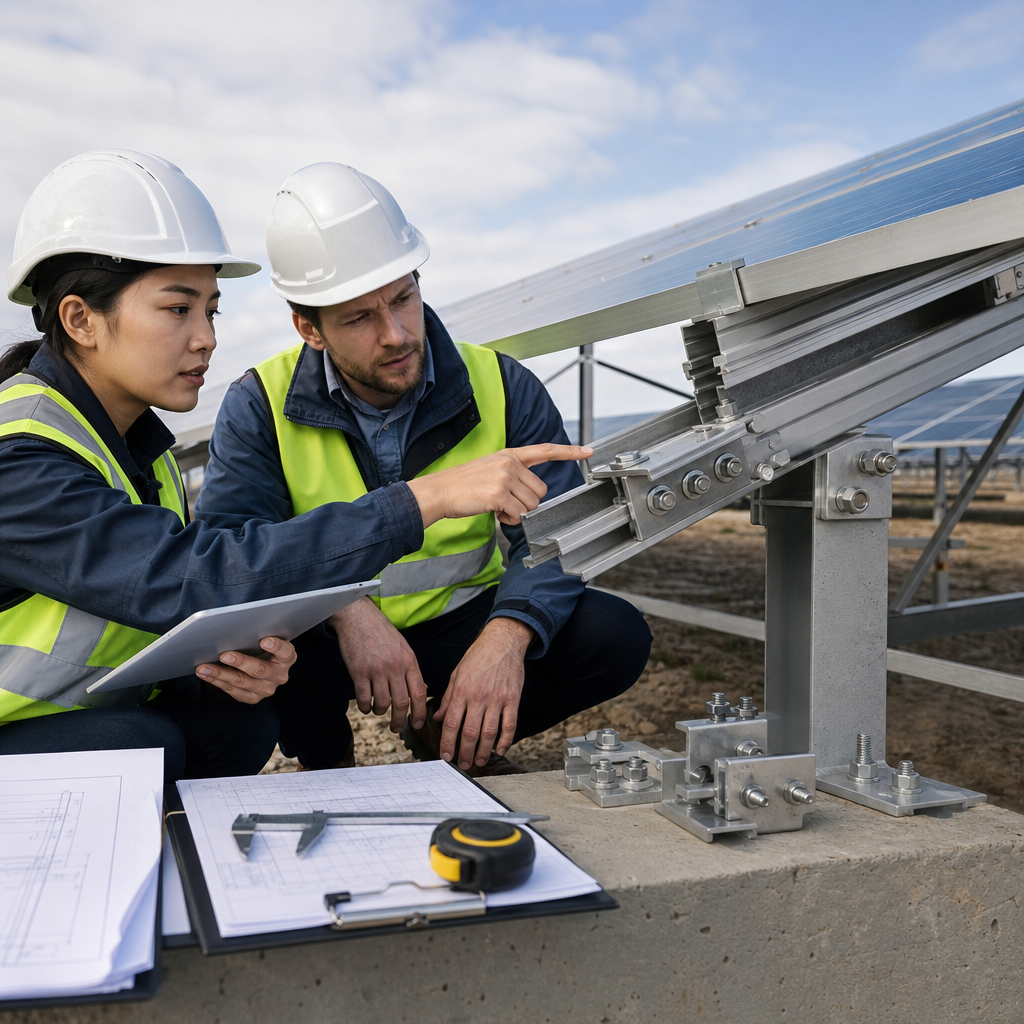
A solar panel mounting system rarely gets the same attention as modules or inverters during early procurement. Yet for EPC teams and sourcing managers, it is often where hidden project risk accumulates. Delays in structural approval, unclear certifications, incomplete wind and snow load assumptions, and mismatched site conditions can all turn a seemingly competitive quote into a schedule problem or a liability issue later. If your team is comparing suppliers only on unit price or basic specs, you may still be missing the real decision: which partner helps reduce execution risk across the full solar system project lifecycle.
For professional buyers, the objective is not simply to source steel or aluminum at the lowest visible cost. It is to secure a mounting solution that can move through engineering review, installation, inspection, and long-term operation with fewer surprises.
Why low-price comparisons often fail to reduce project risk
Many procurement cycles for a solar mounting system follow a familiar pattern: collect several quotations, compare material lists, review lead times, ask for certifications, then negotiate. On paper, this looks disciplined. In practice, teams can spend weeks comparing suppliers and still end up exposed.
Why? Because mounting risk is usually not caused by one dramatic failure. It builds through small gaps:
- Certifications that do not fully match the project market or application
- Load calculations based on generic assumptions instead of real site data
- BOM differences hidden inside similar-looking proposals
- Design support that arrives too late for engineering deadlines
- Unclear accountability when site conditions change
- Value engineering that lowers cost upfront but increases installation complexity
This is why some teams keep comparing suppliers yet do not feel more confident. They are comparing visible inputs, while the real business problem is execution reliability.
A reliable solar panel mounting system should help reduce uncertainty around structural safety, compliance, installation efficiency, and post-installation performance. That is a different buying lens from simply asking, “Which quote is cheaper?”
The real cost of mounting system mistakes in EPC delivery
For EPC firms, importers, and project owners, the mounting package touches multiple risk areas at once:
- Engineering risk: Structural assumptions may not satisfy local code review.
- Procurement risk: Late revisions can affect purchasing windows and freight planning.
- Construction risk: Difficult installation details can increase labor time and site errors.
- Compliance risk: Missing or weak documentation can slow approvals.
- Reputation risk: If a system underperforms or requires rework, the client often remembers the EPC, not the component supplier.
A mounting system is not just a product line item inside a larger solar system. It is part of the project’s structural logic. If it is underspecified, overcomplicated, or poorly documented, it can disrupt the broader solar system project even when the modules and inverters are already selected.
Certification is not a checkbox. It is a risk filter.
Certifications are often requested late in the sourcing process, almost as a formality. That approach creates avoidable risk. For professional buyers, certification review should happen early because it helps answer a more important question: Can this supplier support the compliance path your project actually needs?
Relevant certifications and documentation may include:
- Material quality documentation
- Corrosion resistance information
- Structural validation records
- Manufacturing quality management records
- Market-specific testing or compliance references
- Installation manuals and engineering documentation
The key is not to collect the largest stack of certificates. The key is to confirm that the documentation is relevant to the project type, region, and authority requirements.
For example, rooftop and ground-mounted applications often carry different structural concerns. Coastal environments may require more careful corrosion review. High-wind or snow-prone areas need assumptions that align with site realities, not generic marketing claims.
What EPC and sourcing teams should ask for before shortlisting suppliers
Before moving a supplier into final negotiation, ask for:
- Project-relevant certification evidence
Not just “we are certified,” but which standards, which scope, and which product family.
- Load calculation methodology
Ask how wind, snow, terrain, roof condition, and module layout are considered.
- Engineering deliverables list
Clarify what drawings, calculations, installation guidance, and revisions are included.
- Material traceability and quality control process
This matters for both compliance and dispute resolution.
- Reference applications by environment or project type
Similar conditions matter more than broad claims.
A disciplined supplier should be able to explain these items clearly and calmly. If answers remain vague, the risk usually reappears later as delays, redesign, or change orders.
Load calculation is where technical risk becomes commercial risk
If certification is the first filter, load calculation is the core technical safeguard. A solar panel mounting system must be designed for actual site loads, not idealized assumptions.
This is especially important because mounting failures are rarely “product failures” in a narrow sense. They are often the result of poor fit between the design basis and site reality.
H3: What a sound load calculation process should consider
A credible load calculation process should typically consider:
- Site wind conditions
- Snow load where applicable
- Terrain category
- Roof type or ground conditions
- Building height and geometry
- Module dimensions and array layout
- Tilt angle
- Attachment spacing
- Local code requirements
- Safety factors and design assumptions
For EPC teams, the practical question is simple: Can the supplier explain how the design inputs lead to the proposed structure?
If the answer is opaque, that is a sourcing risk. Not because every project needs an overly complex design package, but because unclear assumptions can trigger review comments from structural engineers, AHJs, consultants, or owners at the worst possible time.
For broader technical context, the U.S. National Renewable Energy Laboratory offers useful research and resources on PV system design and performance. Learn more at NREL.
What to look for in a lower-risk solar mounting partner
A lower-risk supplier is not necessarily the one with the lowest quote or the widest catalog. It is the one that helps your team make fewer expensive decisions under pressure.
Look for signs of operational maturity:
- Clear pre-sales technical communication
- Structured design input collection
- Realistic lead time guidance
- Consistent engineering documentation
- Application-specific recommendations
- Responsiveness during revisions
- Support that continues after PO placement
This is where business value becomes clearer. A well-supported solar panel mounting system can help your team:
- Shorten engineering clarification cycles
- Reduce approval friction
- Improve installation predictability
- Lower rework probability
- Protect delivery reputation with end clients
That is often more valuable than a small initial saving on material price.
A smarter sourcing framework for solar system project teams
If your team is sourcing for a commercial, industrial, or utility application, a better evaluation model is to score suppliers across four dimensions:
1. Technical fit
Can the proposed system match the site, loads, and installation method without forcing avoidable compromises?
2. Compliance readiness
Does the supplier provide documentation that can support review, approval, and client confidence?
3. Execution support
Will the supplier respond effectively when drawings change, site conditions evolve, or schedules compress?
4. Total delivered cost
Not just EXW or FOB price, but also packaging, freight efficiency, installation labor impact, documentation effort, and change-order exposure.
This framework helps move the conversation beyond “Which solar mounting system looks cheaper?” to “Which option is less likely to create downstream cost and disruption?”
That is especially relevant when the solar system includes multiple stakeholders: developer, EPC, structural consultant, owner’s engineer, installer, and financier. In these settings, confidence and clarity are part of the product value.
How MagiSolor supports a more reliable decision process
At MagiSolor, the focus is not only on supplying hardware. It is on helping buyers reduce uncertainty in specifying and delivering the right solar panel mounting system for the application.
If you are reviewing options, it helps to start with the broader context of available solar panel mounting system products and then evaluate application-specific planning through solar mounting system solutions.
This matters because no two projects carry exactly the same risk profile. A rooftop installation, a ground-mount deployment, and a complex regional procurement each require different attention to loads, documentation, logistics, and installation sequence.
In many procurement discussions, people use terms like solar system, the solar system, or complete PV package interchangeably. But the support structure deserves its own disciplined review. It is one of the few components that directly connects engineering assumptions to physical site conditions. Treating it as a commodity can increase exposure later.
Practical checklist before issuing a purchase order
Before final supplier selection, EPC and sourcing teams should confirm:
- Site inputs have been fully submitted and acknowledged
- Applicable certifications are relevant to the project market
- Load calculations reflect real project conditions
- Drawings and documentation scope are defined
- Material specification and corrosion considerations are clear
- Packaging and logistics requirements are understood
- Change management process is agreed
- Installation support expectations are documented
- Responsibility boundaries are visible in writing
This checklist is simple, but it helps prevent the most common disconnect: assuming the supplier and buyer share the same project assumptions when they do not.
Suggested image placements
- [Image: EPC team reviewing solar panel mounting system drawings and certification documents in a project meeting]
- [Image: Structural load calculation diagram for a commercial rooftop solar mounting system with wind and snow load annotations]
- [Image: Ground-mounted solar system project installation showing rails, foundations, and module support structure]
FAQ: Solar panel mounting system sourcing and project risk
What is the biggest risk when sourcing a solar panel mounting system?
The biggest risk is choosing a system based on price or basic specs without validating certification relevance, load calculations, and site-specific engineering assumptions. Many project delays come from documentation gaps or structural review issues rather than from the hardware alone.
Why are load calculations so important for a solar mounting system?
Load calculations determine whether the structure is suitable for real wind, snow, terrain, roof, or ground conditions. If assumptions are too generic, the system may face redesign, approval delays, or installation risk during the solar system project.
What certifications should EPC teams ask for?
EPC teams should ask for project-relevant certifications and supporting technical documents related to materials, structural validation, quality management, and application suitability. The exact list depends on market, code environment, and project type, so buyers should confirm relevance rather than just quantity.
Is a cheaper solar mounting system always more expensive later?
Not always, but it can be if the lower quote leads to extra engineering work, slower approvals, more difficult installation, or greater rework risk. Total cost should include time, coordination effort, documentation quality, and execution reliability.
How can sourcing teams evaluate suppliers more effectively?
Use a framework that compares technical fit, compliance readiness, execution support, and total delivered cost. This gives a more accurate view than comparing material price alone.
Conclusion
Reducing project risk in a solar panel mounting system purchase is less about finding the cheapest structure and more about preventing avoidable engineering, compliance, and execution problems. For EPC and sourcing teams, certification review and load calculation discipline are two of the strongest early indicators of whether a supplier will support a smooth project outcome.
If your team is planning the next solar system project and wants a more dependable path from design review to installation, explore MagiSolor’s product portfolio and application solutions to start the discussion with clearer requirements and lower risk.